
Another Export Training Ends, But The Export Journey Does Not.
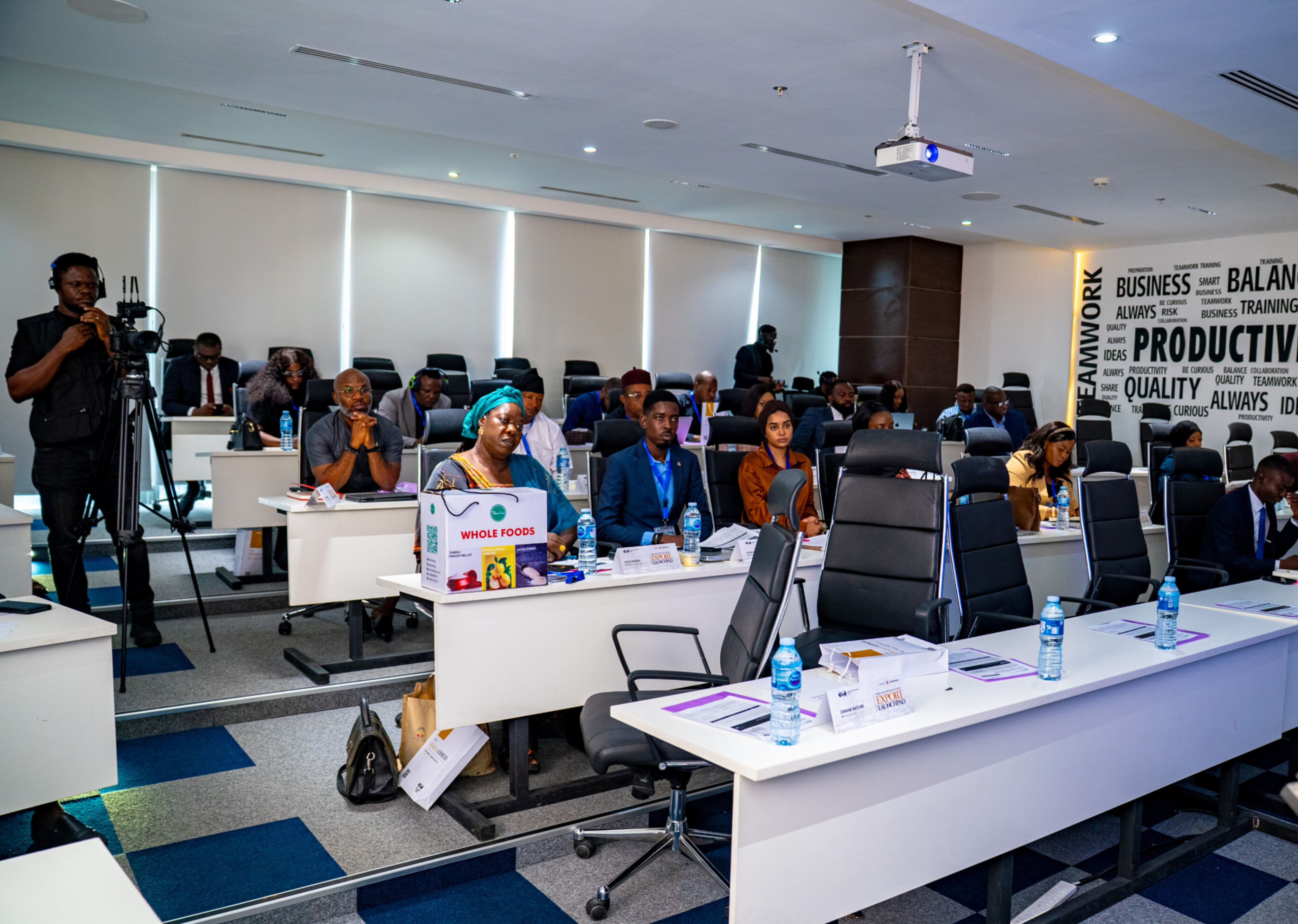
It's normal to attend Export training, but it's important to remember that these trainings are only the beginning.
Nigerian exporters don’t just need to know how to export. They need to know what to do next.
Every year, thousands of Nigerian entrepreneurs attend export training programmes organised by government agencies, trade bodies, development organisations, chambers of commerce, and private institutions.
They learn about export documentation, product certification, international standards, customs procedures, market access, and buyer requirements. They take notes, ask questions, exchange contacts, and leave with certificates and renewed confidence that their businesses can reach international markets.
But then the training ends.
And the real questions begin.
“Which documents does my specific commodity require? Where can I obtain the right certification? How do I identify a genuine international buyer? Who can help me secure export-grade packaging? What happens if my shipment is delayed, rejected, or held at the port? How do I find a reliable freight forwarder who understands my product and destination market?”
These are not questions answered by a certificate. They are questions answered through practical experience, relevant connections, timely guidance, and access to the right resources.
The problem is not that Nigeria lacks export training. It is that too many exporters are left to navigate the difficult transition from learning about exports to executing their first successful shipment.
That is the gap we need to address.

The Real Work Begins After the Training Room
Export training is essential. It introduces entrepreneurs to the requirements of international trade, helps them understand compliance obligations, and prepares them to think beyond their domestic markets.
However, understanding the export process and successfully navigating it are two different things.
An entrepreneur may understand what a phytosanitary certificate is but still struggle to identify the appropriate authority, laboratory, or procedure for their commodity. Another may understand the importance of buyer verification but have no reliable way to assess whether an inquiry received online is legitimate. A third may have a market-ready product but lack access to suitable packaging, dependable logistics, or the working knowledge needed to complete export documentation correctly.
In each case, the entrepreneur has acquired knowledge. What is missing is the pathway to apply it.
This is where export capacity-building must evolve.
We need to move beyond measuring success by the number of people trained and begin paying closer attention to what happens afterwards. Can participants access practical guidance when they encounter a problem? Can they find credible service providers? Can they learn from exporters who have already navigated similar challenges? Can they turn the information received during training into concrete steps towards market entry?
These questions matter because an export-ready entrepreneur is not simply someone who understands the rules. It is someone who can identify the next step, access the resources to take it, and respond effectively when the process becomes complicated.
Training builds awareness. Practical support builds capability. Access to the right ecosystem helps turn that capability into commercial outcomes.
The answer is not to replace training. It is to build the support system that makes training more useful long after participants leave the room.

Weporta: Building The Infrastructure between Knowledge and Action.
Weporta was built around a simple but important question: What if exporters had somewhere to turn after the training, when the practical questions arise?
Not another one-off webinar. Not another collection of documents that entrepreneurs struggle to apply to their individual circumstances. And not another informal group where valuable information gets buried beneath hundreds of messages.
What if exporters could access a structured environment where they could ask questions, learn from other practitioners, discover relevant service providers, and build their understanding of international trade over time?
That is the thinking behind Weporta.
With the tagline “Easy Export with Proof,” Weporta is building a digital platform designed to help exporters navigate trade with better information, stronger connections, and greater confidence.
Three elements are particularly important to the post-training journey: community knowledge, access to service providers, and the ability to make more informed decisions.
1. Export Conversations: One of Weporta’s most active features is Export Conversations, a community feed where exporters can ask practical questions, share experiences, exchange suggestions, and learn from the realities of doing business across borders.
The idea is straightforward: export knowledge should not disappear when a training programme ends or remain accessible only to people who happen to know the right person.
Once registered on Weporta as an exporter or vendor, users can access the Export Conversations feed, introduce themselves, describe their products and locations, ask questions, and contribute lessons from their own export journeys.
An exporter in Kano can ask about the documentation required for a particular commodity. A business owner in Calabar can share lessons from navigating a shipment. An entrepreneur preparing to enter a new market can seek perspectives from others who have faced similar challenges.
Over time, these exchanges can create a growing body of practical knowledge that benefits more than the person who originally asked the question.
Imagine an exporter who spent weeks trying to understand a compliance process documenting what worked, which steps were required, and what they would do differently. Months later, another exporter facing the same challenge could learn from that experience instead of starting from scratch.
That is the value of a structured knowledge-sharing community.
Unlike information that disappears in a fast-moving chat, discussions in a dedicated platform can remain organised and discoverable, allowing useful experiences to inform future decisions.
Export Conversations is not intended to replace professional advice, regulatory authorities, or specialised training. It provides an additional layer of peer learning and practical exchange that helps exporters ask better questions, identify possible next steps, and learn from the experiences of others.
The goal is simple: make the knowledge gained by one exporter more useful to the next.
2. The Service Provider Directory: Knowing what you need Is not Enough. A training programme may explain the importance of pre-shipment inspection, product testing, export-grade packaging, warehousing, freight forwarding, or customs documentation.
But once an entrepreneur understands what is required, another question follows: Where do I find someone credible who can help me get it done?
This is where access becomes critical.
Weporta’s Service Provider Directory is designed to help exporters discover relevant providers across the trade ecosystem, including laboratories, freight forwarders, packaging companies, warehouses, logistics providers, and compliance agents.
The intention is to make it easier for exporters to move from identifying a requirement to finding a relevant service provider.
Consider an SME preparing its first shipment of processed agricultural products. The business owner may understand that testing, appropriate packaging, documentation, and shipping arrangements are important. However, identifying suitable providers, comparing options, and understanding which services apply to the shipment can become a project of its own.
A structured directory can reduce the difficulty of that search and help entrepreneurs identify potential providers in one place.
Where providers are described as verified or reviewed, the scope of that verification matters. Exporters should still conduct appropriate due diligence, confirm the services offered, and check relevant licences, accreditations, and suitability for their specific requirements.
Because in international trade, choosing the wrong provider can cost an exporter more than time. It can affect product quality, delivery schedules, compliance, buyer relationships, and profitability.
Export readiness is not just about knowing the requirements. It is also about being able to find the right people to help meet them.
3. From Isolated Questions to a stronger Export Ecosystem
The long-term opportunity goes beyond answering individual questions.
Nigeria has entrepreneurs with products, institutions with technical expertise, service providers with specialised capabilities, and experienced exporters with lessons worth sharing. Yet these resources are not always easy for an emerging exporter to access when they need them.
The challenge is often fragmentation.
An entrepreneur may receive technical information from one institution, seek logistics support from another provider, ask for recommendations in a private group, and spend days trying to determine which information is relevant to their own circumstances.
Weporta is working to make these parts of the export journey easier to navigate through a shared digital environment.
The broader ambition is to help exporters access practical information, discover relevant services, learn from peers, and make better-informed decisions as they progress from preparation to market entry.
For exporters, this can mean less time searching blindly and more time addressing the actual requirements of their businesses. For service providers, it creates another avenue through which relevant exporters can discover their services. For the wider trade ecosystem, it creates an opportunity to make practical knowledge more accessible across locations and stages of export readiness.
This is the distinction between simply sharing export information and helping build the infrastructure through which that information can be applied.
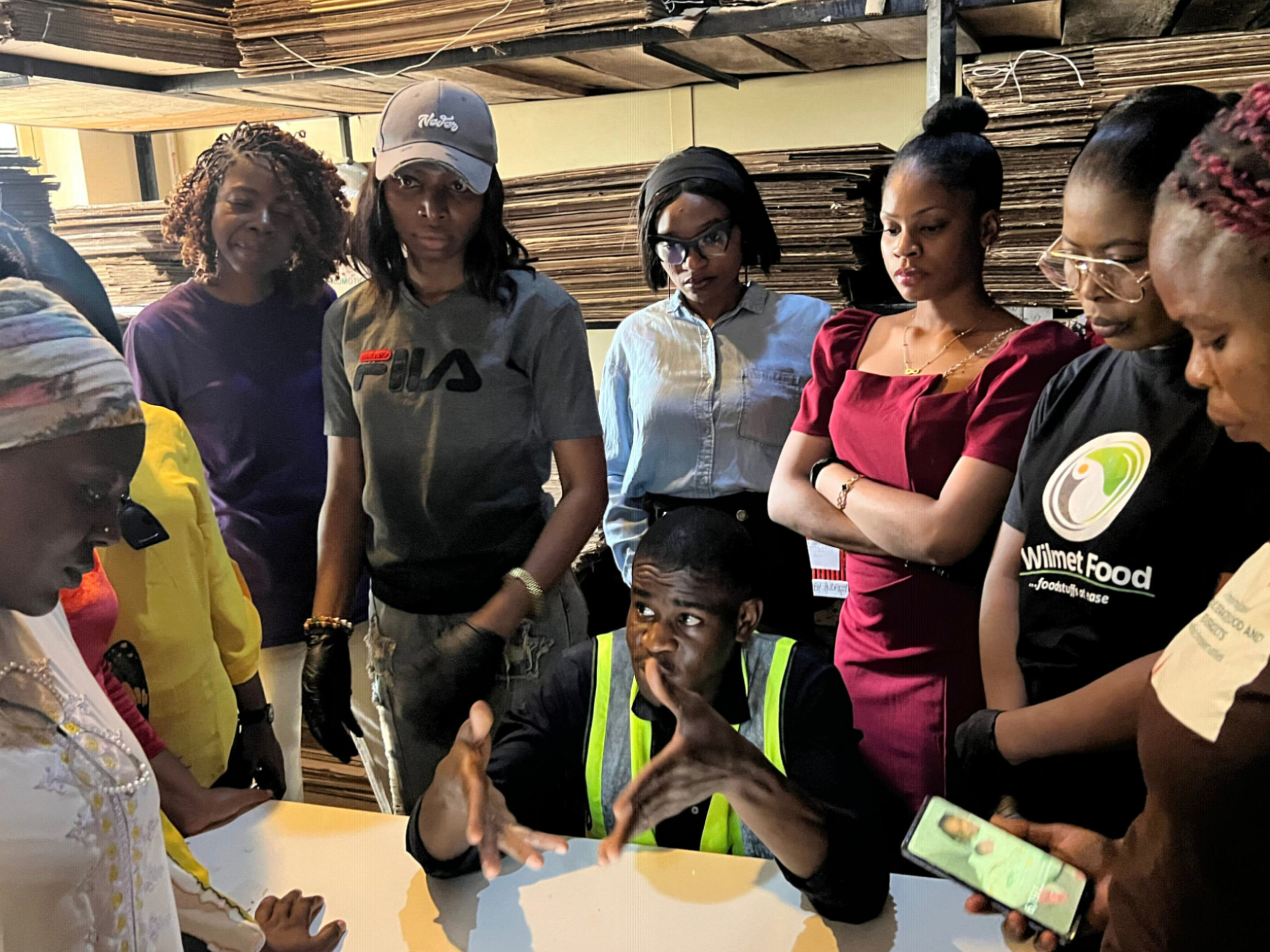
When a Platform is not Enough: Free Export Consultations through Boxnpick Global saves the Day.
Digital platforms and peer communities are valuable, but not every export challenge can be resolved through a directory or a discussion thread.
Sometimes, an exporter needs to explain a specific situation, understand the options available, and speak directly with a team familiar with the operational realities of moving goods across borders.
That is where BoxNPick Global comes in.
BoxNPick Global offers free export consultations for entrepreneurs who need practical guidance as they navigate their export journey.
Whether you are preparing for your first shipment, trying to understand the documentation relevant to your commodity, exploring how to approach international buyers, considering packaging and logistics requirements, or trying to understand the next steps after encountering a shipment problem, you can reach out for an initial consultation.
The objective is to help entrepreneurs clarify their challenges, better understand the requirements involved, and identify practical next steps.
For an emerging exporter, even a focused conversation can help identify gaps that need attention before committing money to packaging, certification, shipping, or a prospective buyer.
For an entrepreneur who has already attended several training programmes, it can provide an opportunity to discuss the specific questions that general training could not fully address.
And for a business that has begun exporting, it can offer a starting point for thinking through operational challenges and determining what additional expertise or support may be needed.
The consultation is free because access to practical guidance should not be another unnecessary barrier for entrepreneurs trying to enter international trade.
It is also important to understand what the offer means: a free consultation is an opportunity to discuss your situation and explore possible next steps, not a guarantee of buyers, export approvals, shipment clearance, or commercial success. Specific regulatory, technical, and legal requirements must still be confirmed with the relevant authorities and qualified professionals.
To arrange a consultation, contact BoxNPick Global by phone or email, or visit the Abuja office.
Weporta helps you find information, connections, and opportunities to learn. BoxNPick Global offers a direct conversation to help you think through your specific export challenge. Together, they address two important parts of the journey from knowing to doing.
A Better Measure of Export Training Success
The export training programmes delivered by organisations such as the Nigerian Export Promotion Council (NEPC), the World Trade Center, chambers of commerce, and development partners play an important role in strengthening Nigeria’s export capacity.
They help entrepreneurs understand international trade, raise awareness of compliance requirements, and introduce businesses to opportunities beyond the domestic market.
That work deserves recognition.
But there is an opportunity to make its impact even greater.
What happens when the participant returns to their business? What support is available when they encounter their first documentation challenge? Where can they find a suitable service provider? How do they distinguish a credible buyer from a fraudulent inquiry? Who helps them understand whether they are ready to commit resources to a particular market?
These are the questions that should increasingly shape how we think about export capacity-building.
The number of participants trained remains a useful measure of reach. But it should not be the only measure of progress. We should also be interested in whether exporters can apply what they have learned, complete the necessary processes, establish credible business relationships, and progress towards actual international sales.
Not every successful export journey follows the same timeline, and not every obstacle can be solved by a single platform or consultation. Nevertheless, a stronger support system after training can help entrepreneurs navigate the process with better information and fewer avoidable mistakes.
This is particularly important for small and medium-sized enterprises, which may not have dedicated export departments, in-house compliance specialists, or established international networks.
For these businesses, the right guidance or connection at the right time can make a meaningful difference.
If we want more Nigerian businesses to export successfully, we must invest not only in teaching people how international trade works, but also in helping them navigate what comes next.
That is the opportunity before us.
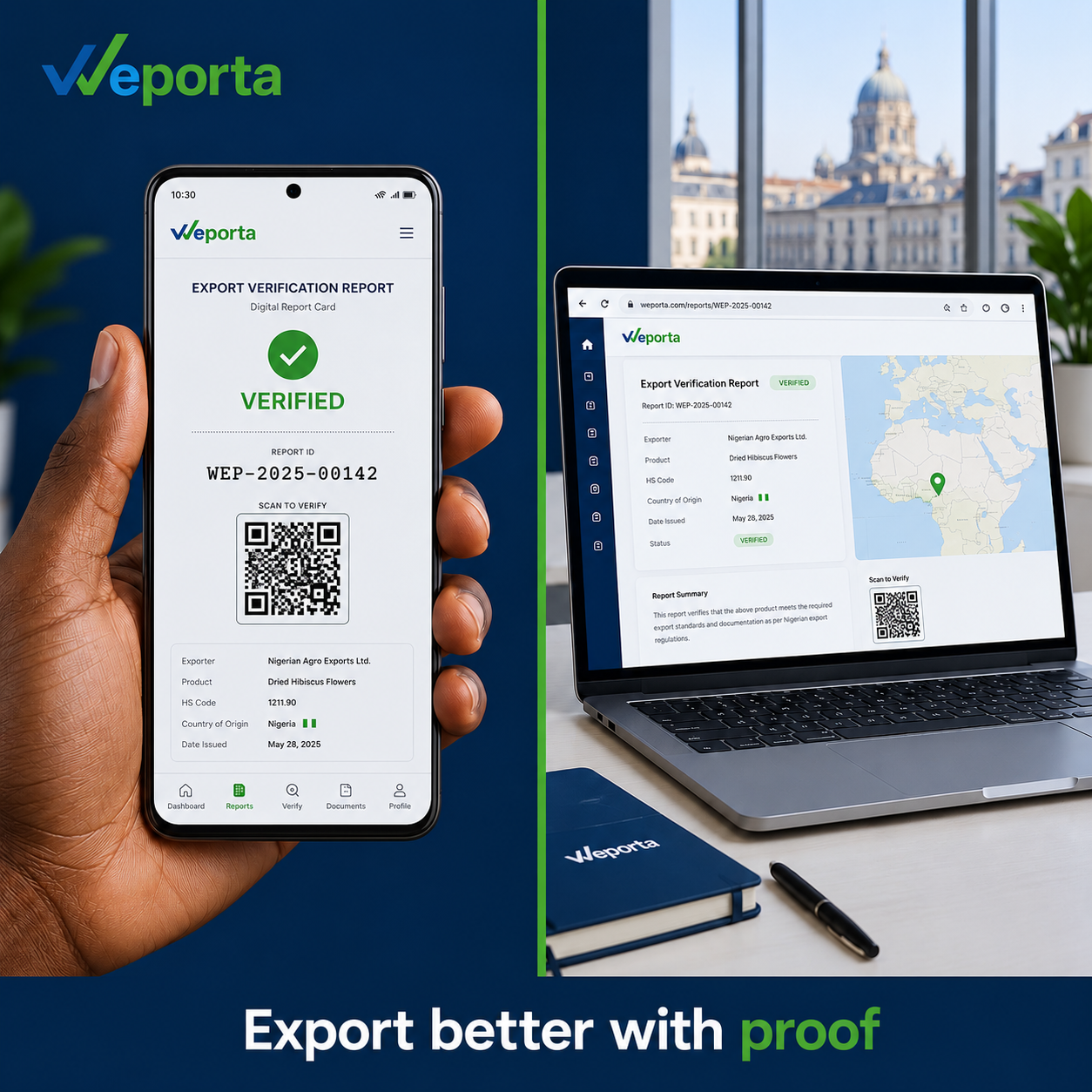
Your Export Journey Should not End When the Training Does
If you have attended an export training programme and are still wondering what your next practical step should be, you do not have to begin the search alone.
Start with Weporta.
Visit www.weporta.com, register as an exporter or vendor, and join Export Conversations. Introduce your business, share what you export, identify your questions, and learn from the experiences of others. Explore the Service Provider Directory to discover relevant businesses and services that may support your export plans.
If you need to discuss a specific challenge directly, reach out to BoxNPick Global for a free export consultation.
And if you are an export trainer, trade institution, development organisation, chamber of commerce, or service provider, consider how your work can contribute to the support exporters need after the formal programme ends.
Because the future of export capacity-building should not be measured only by how many people enter the training room.
It should also consider how many people are better equipped to take their next step when they leave it.
The training ends. The questions continue. The support should too.
Start Your Next Step
Register here as an exporter or vendor and join Export Conversations.
Call BoxnPick Global at 08112659470 or Email us at support@boxnpick.com